



The Language of Lapels: What Your Suit Says About You
In refined tailoring, a lapel is not a mere seam — it is a punctuation mark. The curve or angle that frames your chest sets the tone for every entrance, photograph, and handshake. For the discerning gentleman, understanding the differences among notch, peak, and shawl lapels is less about fashion trivia and more about intentional self-presentation. Below are three considered perspectives to guide your choice.
1. Notch Lapel — Quiet Authority and Everyday Elegance
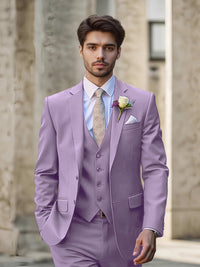
The notch lapel is the métier of the modern gentleman who values discretion. Its subtle cut where collar meets lapel produces a measured V that reads as composed and adaptable. Because of its balanced proportions, the notch works across contexts: boardroom meetings, daytime weddings, and formal lunches. It signals competence without theatricality—perfect for an individual who prefers influence by example rather than proclamation.
Styling note: choose a single-breasted jacket with a moderate lapel width; the effect is timeless yet current. For texture, a fine twill or soft polyester blend gives a refined finish while remaining practical for daily wear.

2. Peak Lapel — Architectural Presence and Deliberate Statement
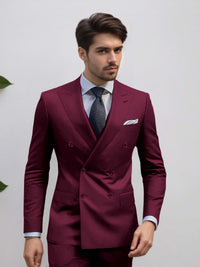
The peak lapel is inherently declarative. With its upward points that broaden the shoulder line, it creates an architectural silhouette that conveys intent and command. Historically linked to double-breasted and ceremonial tailoring, the peak lapel reads as formal and assertive—ideal for occasions where presence matters: an evening wedding, a keynote, or any moment you intend to lead.
Styling note: pair a peak lapel with a well-structured shoulder and slightly higher button stance to maximize the lapel’s framing effect. Deep navy or charcoal in a refined weave heightens the lapel’s authoritative character.

3. Shawl Lapel — Curved Refinement and Intimate Sophistication
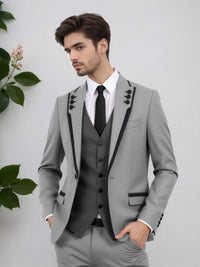
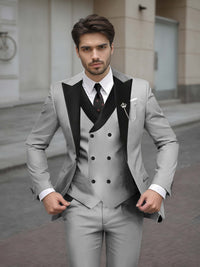
The shawl lapel offers a different language: continuity and soft elegance. Its rounded edge eschews angles in favor of a flowing line, yielding a gentle, almost sartorially poetic silhouette. Traditionally reserved for eveningwear and tuxedos, the shawl lapel suits moments of quiet ceremony—private dinners, intimate receptions, and black-tie entrances—where refinement is felt rather than broadcast.
Styling note: a shawl lapel performs best in smooth, slightly lustrous fabrics that catch light subtly. Keep accessories restrained: a white shirt, silk pocket square, and polished shoes will preserve the lapel’s understated grace.

Final Thought
Selecting a lapel is an act of authorship: each style frames not only your chest but your intent. The notch keeps you reliably composed; the peak lends structure and authority; the shawl retreats to elegant intimacy. For the gentleman, mastery of such details turns clothing into signature — an eloquent, silent language that precedes conversation.